


Shopping for new ambulance equipment can be overwhelming. With so many options on the market, it’s easy to feel uncertain about what products will provide the best value and performance. That’s why asking the right questions up front can help ensure you’re choosing quality gear that aligns with your team’s needs, keeps patients safe, and supports your operations in the field.
Whether you’re upgrading a few items or outfitting a brand-new rig, consider these five essential questions before you buy:
1. Is it designed specifically for EMS use?
Not all medical equipment is created equal. Some products are designed for general medical use in clinics or hospitals but may not withstand the unique demands of high-volume EMT use in the field. Ambulance gear takes a beating—it’s subject to constant transport, harsh conditions, and rapid deployment in emergencies.
Look for equipment that’s purpose-built for EMS professionals. Ask the supplier if the product has been field-tested under real-world conditions and developed with direct input from EMTs, paramedics, and other first responders. Features like reinforced seams, rugged hardware, quick-deploy mechanisms, and lightweight designs can make a big difference in daily use.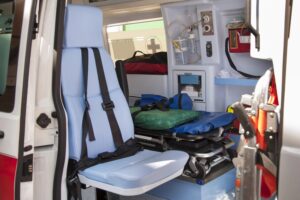
2. Does it support infection control?
Hygiene and infection control are top priorities for any EMS team, especially in today’s health environment. Contaminated gear can pose a risk to both patients and crew. Mattresses, stretcher pads, straps, and other surfaces should include features that help reduce the spread of bacteria and viruses.
Look for materials that are antimicrobial, hypoallergenic, and fluid-resistant. Sealed seams prevent fluids and debris from getting inside, making surfaces easier to wipe down and sanitize between uses. Straps and accessories should be made from non-porous materials that can withstand frequent cleaning with hospital-grade disinfectants without degrading. Ask if the product has been tested for microbial resistance and ease of sanitation—key considerations when trying to keep your fleet safe and compliant.
3. Is it compliant with safety standards?
Buying ambulance equipment isn’t just about convenience or cost—it’s about compliance and long-term safety. Emergency medical equipment should meet or exceed recognized safety and flammability standards. One key certification to look for is CAL 129 compliance, which indicates a product has passed California’s stringent flammability standards for mattresses used in healthcare settings.
Other certifications may include NFPA standards, FDA registrations, or ASTM guidelines. Make sure you understand what regulations apply in your state or organization and ask the supplier to provide documentation for the product’s compliance. Meeting these standards not only ensures patient safety but can also protect your organization during audits, inspections, or legal inquiries.
4. Where is it made—and can you get support?
Product origin matters more than you might think. While overseas suppliers may offer attractive pricing, they often fall short when it comes to service, support, and accountability. Language barriers, slow shipping times, and limited warranties can create frustrating delays—especially if you need to return or replace a defective product.
Buying from a U.S.-based manufacturer, like those featured at First Responder Products By Casco, gives you access to reliable customer support, faster turnaround times, and the confidence that your gear was made to meet domestic standards. When evaluating a supplier, ask whether parts and accessories are readily available and whether tech support is included. The ability to talk to someone who understands your environment and can provide immediate solutions is invaluable in an emergency-driven industry.
5. Can it stand up to real-world use?
Durability is a must for EMS gear. Equipment that wears out too quickly or breaks down under stress not only puts patient care at risk—it also costs more in the long run due to frequent replacements and downtime.
Ask about how the product has performed in the field. What materials are used, and how do they hold up under repeated use, exposure to fluids, or extreme temperatures? Are there warranties or test data available? Durable materials like medical-grade foam, tri-laminate vinyl, and heavy-duty hardware are common indicators of high-quality construction. Seek out reviews, testimonials, or product case studies from other EMS teams to get a better sense of the product’s long-term performance.
Final Thoughts
Price is important—but it’s not the only factor. Choosing EMS-ready equipment means looking beyond the catalog and asking questions that uncover real quality and value. The right gear should meet industry standards, support infection control, and perform reliably every day in the field.
When you work with trusted providers like FirstResponderProductsByCasco.com, you gain more than a product—you gain a partner who understands the demands of emergency care. Take the time to ask the right questions today to protect your crew, your patients, and your investment tomorrow.
Users testimonials

“The comfort of their firehouse mattresses is unmatched. A true game changer for our crew!”
Captain Mike Roberts, Fire Station 14

“Reliable PPE that we trust every day on the job. Casco delivers quality.”
Chief Sarah Mitchell, City Fire Department

“The protective gear from Casco has made a real difference in our hospital. We feel safer knowing we’re covered.”
Nurse Emily Davis, ER Nurse, County General Hospital
Stay Informed & Equipped
Stay Informed & Equipped
Join our newsletter for the latest updates on our PPE products, exclusive offers, and firehouse essentials designed to support first responders.